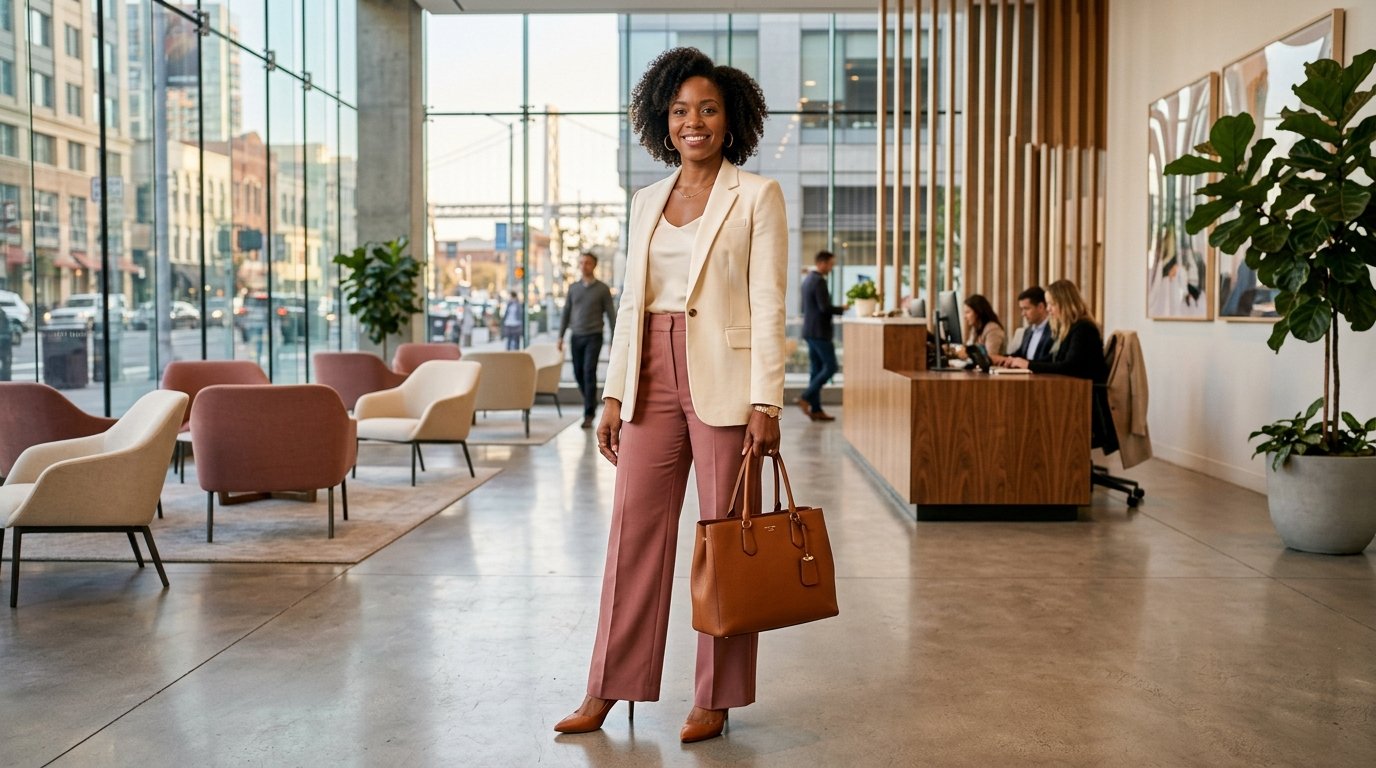
You just got the email. You landed the interview, you’re thrilled, and then the immediate panic sets in: what am I going to wear? It is 11 PM the night before, your closet looks like a disaster zone, and you are staring at a pile of clothes wondering if your favorite loafers are too casual or if those heels are too high. Putting together a job interview outfit shouldn’t be harder than the actual interview. Whether you are walking into a strict corporate high-rise or a laid-back tech startup, we are going to build an outfit from the shoes up that makes you feel instantly confident.
The Executive Strategy: Dressing for the Job You Want
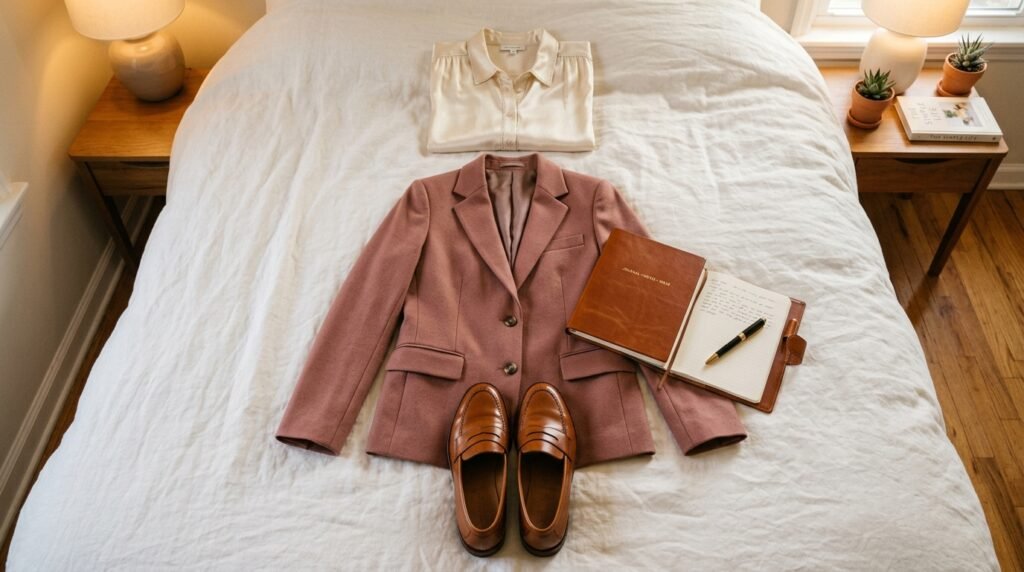
Before you start tearing through your hangers, let’s establish your base strategy. The perfect job interview outfit comes down to one simple rule: dress one level more formal than the company’s daily dress code. If they wear jeans, you wear tailored trousers. If they wear business casual, you wear a blazer.
Your shoes are the anchor of this entire look. An incredible suit falls flat if you are wobbling in painful, scuffed stilettos, just as a sharp pair of polished loafers can instantly elevate a simple pair of ankle pants. Prioritize a closed-toe shoe with a low to moderate heel or a structured flat. You want your interviewer focusing on your brilliant answers, not wondering how you are going to walk to the conference room.
Stick to a neutral base palette—navy, black, camel, or grey—and add personality through a great blouse, a structured bag, or a beautifully maintained pair of leather shoes. Fit and comfort are your secret weapons; when you aren’t tugging at your hemline or dealing with pinched toes, your natural confidence takes center stage.
1. Decoding the Office Dress Code First

Before pulling any clothes out, you need to understand the environment you are walking into. Corporate cultures in the USA vary wildly depending on the industry and the region. A law firm in New York City has a very different expectation than a graphic design agency in Austin.
Look at the company’s “About Us” page, their LinkedIn company photos, or their social media. If you see employees in hoodies, you know a full three-piece suit will make you look out of touch. If you see tailored blazers, you know denim is completely off the table.
- Corporate/Formal: Expect suits, tailored dresses, and conservative footwear.
- Business Casual: Trousers, blouses, blazers, but usually no mandatory matching suit.
- Creative/Casual: Dark denim might be okay, but elevate it with a blazer and immaculate shoes. When in doubt, it is always better to be slightly overdressed than underdressed.
2. The Foolproof Corporate Formal Outfit
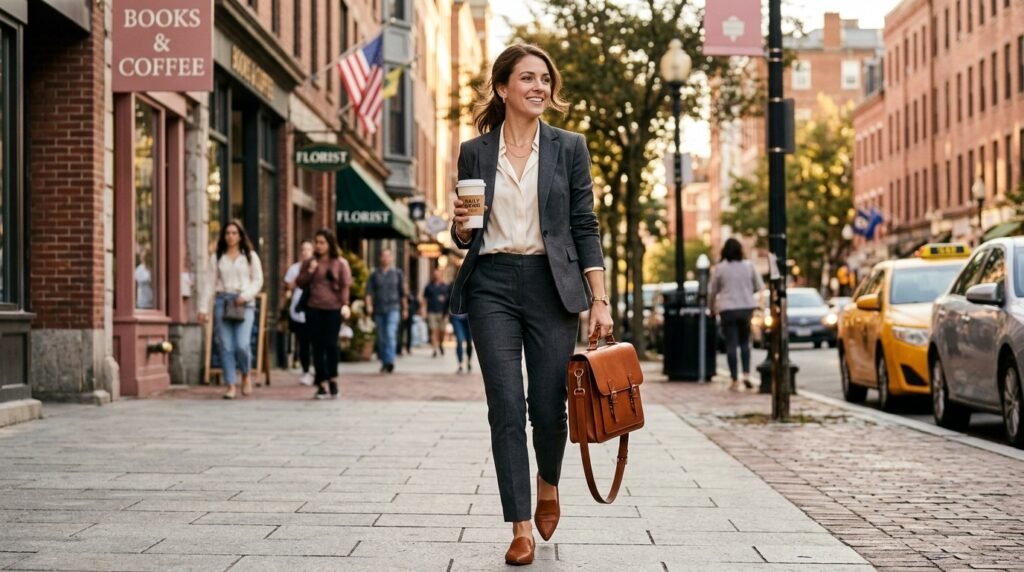
If you are interviewing at a bank, law firm, or a traditional corporate office, the matching suit is still the gold standard. A professional interview outfit in a corporate setting leaves little room for wild experimentation, which actually makes it easier to pull together.
- The Foundation: A well-fitted navy or charcoal grey suit (pants or skirt). Black is fine, but navy often reads as slightly warmer and more approachable.
- The Top: A crisp, light blue or white button-down shirt, or a high-quality silk blouse in a soft cream or ivory. Ensure there is no gaping at the chest.
- The Details: Keep jewelry minimal. Think small stud earrings and a classic watch. Make sure your trousers are hemmed perfectly to match the height of the shoes you plan to wear. A hem that drags on the floor immediately looks messy.
3. The Best Shoes for a Formal Corporate Interview
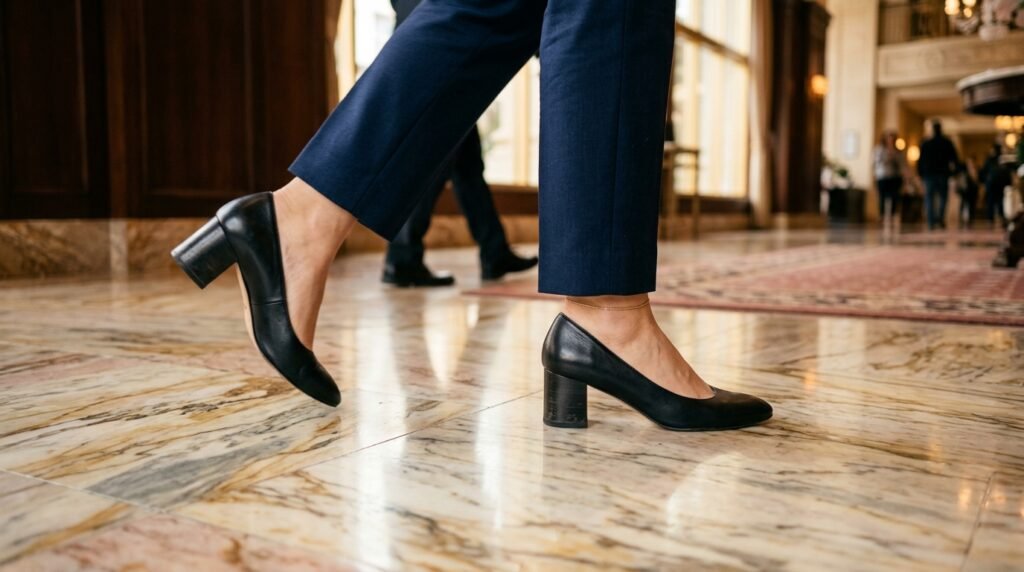
In a strict corporate setting, your interview outfit shoes need to communicate professionalism and polish. This is not the time to break out neon colors, excessive hardware, or ultra-high stilettos.
- The Classic Pump: A closed-toe pump with a 2-inch to 3-inch heel in black, navy, or nude leather is universally acceptable.
- The Block Heel: If you struggle with thin heels, a structured block heel pump provides stability while walking across slick lobby floors.
- The Pointed Flat: If heels aren’t your thing, a sleek, pointed-toe leather flat in a solid neutral color looks just as sharp as a heel. Avoid anything with an open toe, slingbacks, or excessive platform soles. Give your shoes a quick wipe-down or polish the night before to remove any scuffs.

Most modern offices fall into the business casual category. This is where people get tripped up the most because the rules are slightly blurred. You don’t need a matching suit, but you still need to look highly put-together.
- The Pants: Opt for tailored ankle trousers, wide-leg dress pants, or a sleek pair of chinos in navy, camel, or black.
- The Layer: A blazer is still a fantastic idea, but it doesn’t need to match your pants. A houndstooth or subtle plaid blazer over solid pants works beautifully.
- The Alternative: A tailored midi dress in a structured fabric (like ponte) worn with a crisp cardigan or blazer is a great business casual option. The goal is to look like you put effort into your appearance without looking uncomfortably stiff.
5. The Best Loafers and Flats for Business Casual
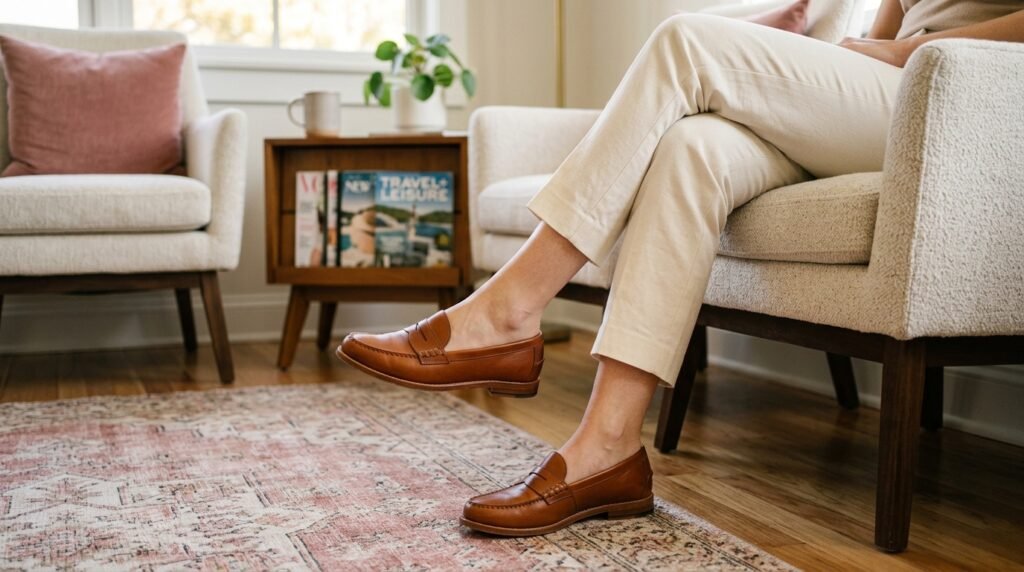
When exploring business casual interview outfit ideas, loafers and structured flats are your best friends. They strike the perfect balance between relaxed and professional, and they guarantee you won’t be limping by the end of an office tour.
- The Classic Penny Loafer: A sleek leather loafer in cognac or black pairs perfectly with ankle-length trousers.
- The Pointed-Toe Mule: A closed-toe mule with a slight heel can look incredibly chic with wide-leg pants.
- The D’Orsay Flat: This style, which is cut out on the sides but closed at the toe and heel, feels a bit more feminine and pairs beautifully with midi skirts or dresses. Make sure the hardware on your shoes (like a horsebit on a loafer) isn’t too flashy or noisy when you walk.
6. What to Wear to a Tech or Startup Interview

Startup culture is notoriously casual, but showing up in sweatpants is still a terrible idea. Your goal is to look polished but culturally aligned with the relaxed environment. You want to look like you belong there, just on a really good day.
- The Bottoms: Dark wash, non-distressed denim is often acceptable here, but a pair of high-waisted, wide-leg twill pants is a safer bet.
- The Top: A high-quality knit turtleneck, a crisp short-sleeve button-down, or a silk camisole layered under a structured oversized blazer.
- The Vibe: Lean into smart-casual. You can play slightly more with color here—a dusty rose blazer or a forest green trouser can show personality without crossing the line. Remember, even if the CEO is wearing flip-flops, you should not.
7. Are Sneakers Ever Okay for an Interview?
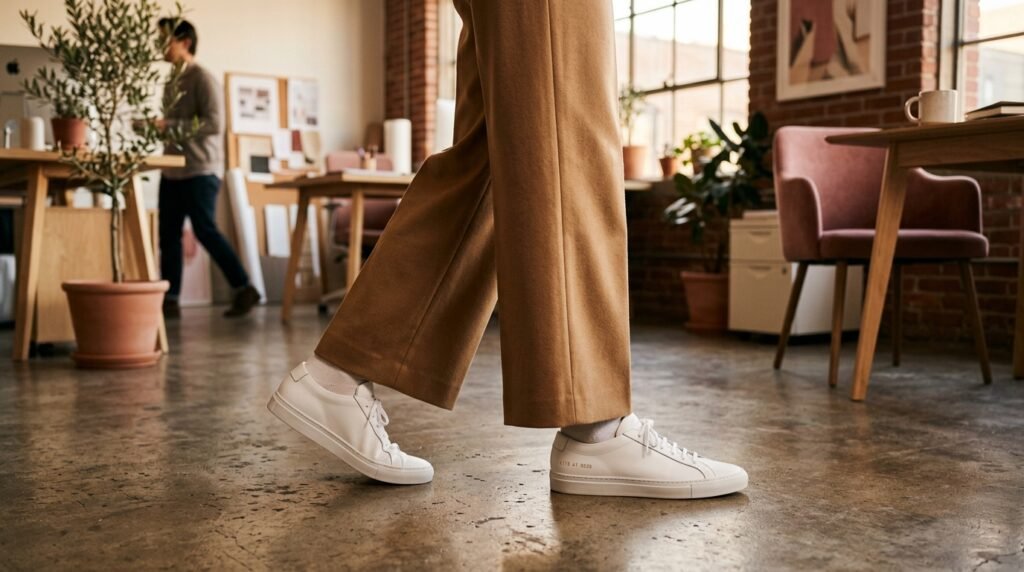
The short answer: usually no, but there is a very narrow exception. If you are interviewing at a highly creative agency, a fashion brand, or a tech startup where the uniform is definitively casual, the right sneaker can work.
If you choose to wear sneakers, follow these strict rules:
- Pristine Condition: They must be immaculately clean. No scuffs, no mud, no yellowing soles.
- Sleek Silhouette: Think minimalist leather sneakers (like a plain white leather lace-up), not chunky running shoes or brightly colored high-tops.
- Elevate the Rest: If you wear sneakers, the rest of your outfit must be exceptionally tailored. Wear them with a sharp blazer and structured trousers to balance the casual footwear. If you have any doubts at all, default to a loafer or a flat. It is never worth the stress of wondering if your shoes cost you the job.
8. The Retail or Service Industry Interview Look

If you are interviewing for a role in retail, hospitality, or customer service, your work interview style needs to demonstrate that you understand the brand and can handle being on your feet.
- Retail: Dress in a way that nods to the brand’s aesthetic. If you are interviewing at a high-end boutique, wear tailored, fashion-forward pieces. If it’s a sporting goods store, a clean polo and khakis might be appropriate.
- Hospitality: Stick to classic business casual. Black trousers, a crisp button-down, and comfortable but polished shoes are a safe bet.
- The Shoes: Comfort is key, as you may be asked to walk the floor. A supportive but dressy flat, a clean leather loafer, or a low block heel is ideal. Avoid anything that looks difficult to stand in.
9. Styling Wide-Leg Trousers for Your Interview
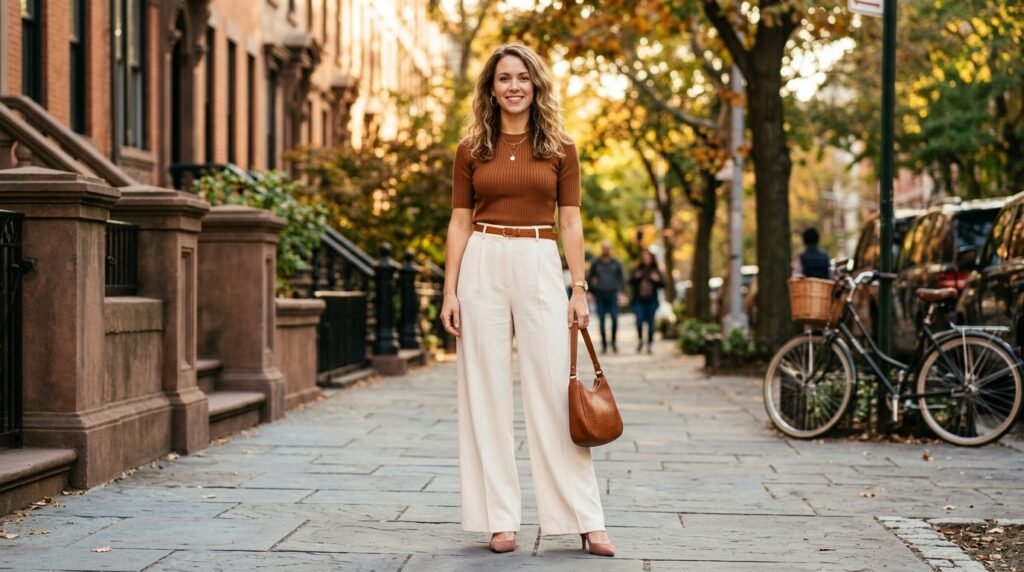
Wide-leg trousers are incredibly popular right now and make for a fantastic, modern interview outfit. They are comfortable, elegant, and project a strong sense of confidence. However, they require the right styling to keep from looking sloppy.
- The Proportions: Because the pants are voluminous, keep your top fitted. Tuck in your blouse or wear a slightly cropped blazer that hits right at the hip bone.
- The Length: Your trousers should hover just above the floor. They should not drag, nor should they look awkwardly short.
- The Shoes: Pointed-toe shoes look best with wide-leg pants. A pointed pump or a pointed flat elongates the leg and peeks out perfectly from under the wide hem. Round-toe shoes can make the outfit look a bit stubby.
10. How to Choose the Right Interview Dress
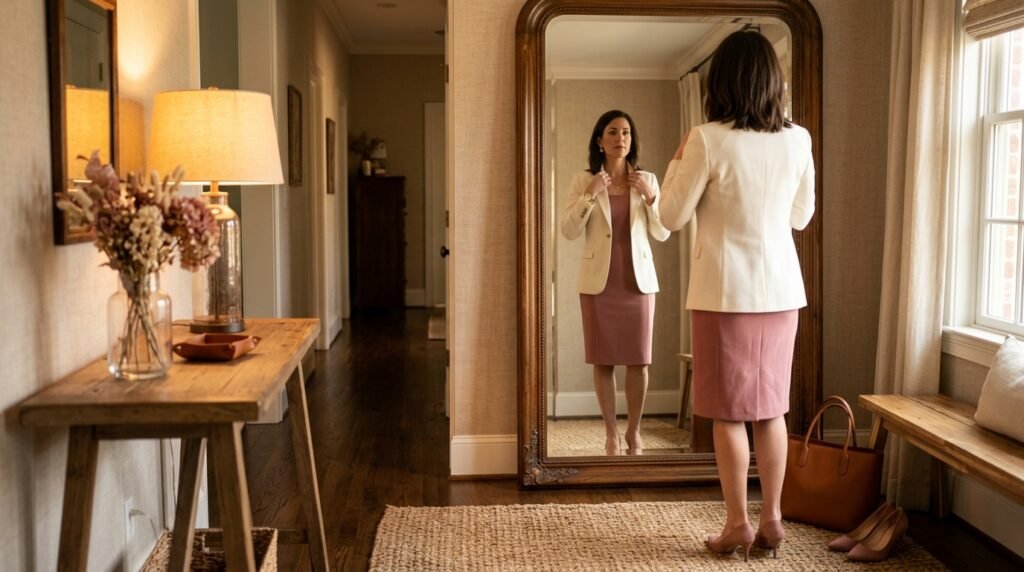
If you prefer dresses over pants, a professional interview outfit can certainly revolve around a great dress. It removes the stress of matching a top and bottom, giving you an instant, unified look.
- The Silhouette: A tailored sheath dress, a wrap dress (pinned securely at the neckline), or a structured A-line dress are the most appropriate choices.
- The Length: The hemline should hit right above the knee, at the knee, or be a midi length. Mini skirts are a hard no.
- The Sleeves: If the dress is sleeveless, you must wear a blazer or a structured cardigan over it. Bare shoulders are generally frowned upon in corporate environments. Pair your dress with a classic pump or a structured flat for a seamlessly professional look.
11. Winter Interview Outfits: Surviving the Cold in Style
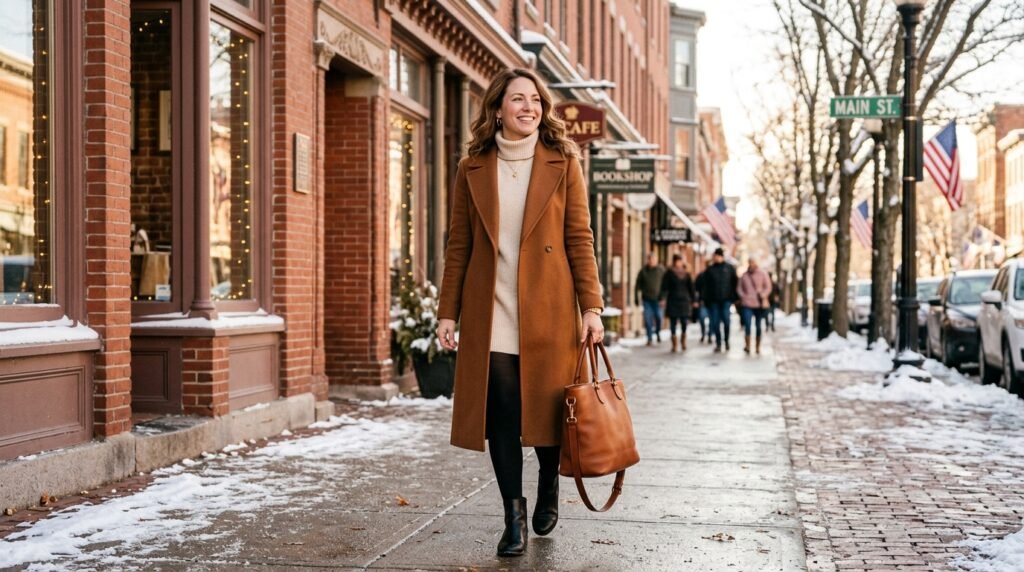
Figuring out what to wear to a job interview in the dead of winter is a logistical nightmare. You want to look sharp, but you also don’t want to show up shivering with blue lips. The key is strategic layering and smart outerwear.
- The Coat: A tailored wool coat (in camel, black, or navy) over your outfit looks infinitely more professional than a bulky puffer jacket.
- The Layers: Layer a fine-gauge merino wool turtleneck under a blazer or a shift dress. It keeps you warm without adding bulk.
- The Tights: If you are wearing a skirt or dress, opaque black tights are essential. Ensure they have no snags or runs. When you arrive, take your heavy coat and scarf off in the lobby before meeting your interviewer so you look settled and prepared.
12. Can You Wear Boots to a Job Interview?
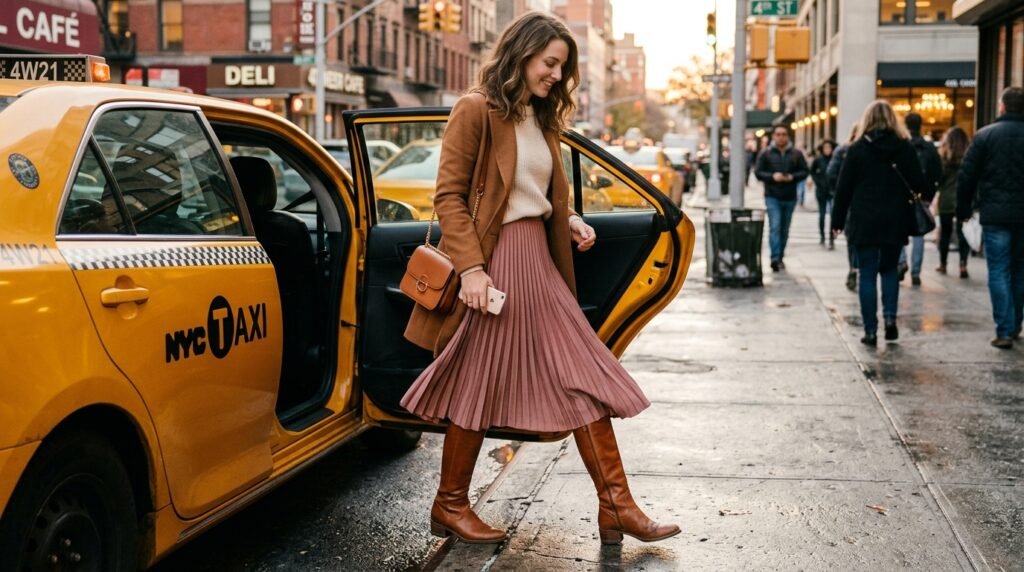
Yes, you can absolutely wear boots to an interview, provided you choose the right style and wear them correctly. When looking at interview outfit shoes in the colder months, boots are practical and stylish.
- Ankle Boots: A sleek leather or suede ankle boot with a low block heel looks great with wide-leg trousers or midi dresses. Ensure the toe is almond or pointed, not overly rounded or chunky.
- Knee-High Boots: These can work with a knee-length skirt or dress, provided they are fitted to the calf and made of high-quality leather.
- What to Avoid: Skip the snow boots, slouchy styles, over-the-knee boots, or anything with heavy lugs and buckles. If you must wear snow boots to commute, bring your interview shoes in a tote bag and change in the lobby restroom.
13. Summer Interview Outfits: Staying Cool and Professional
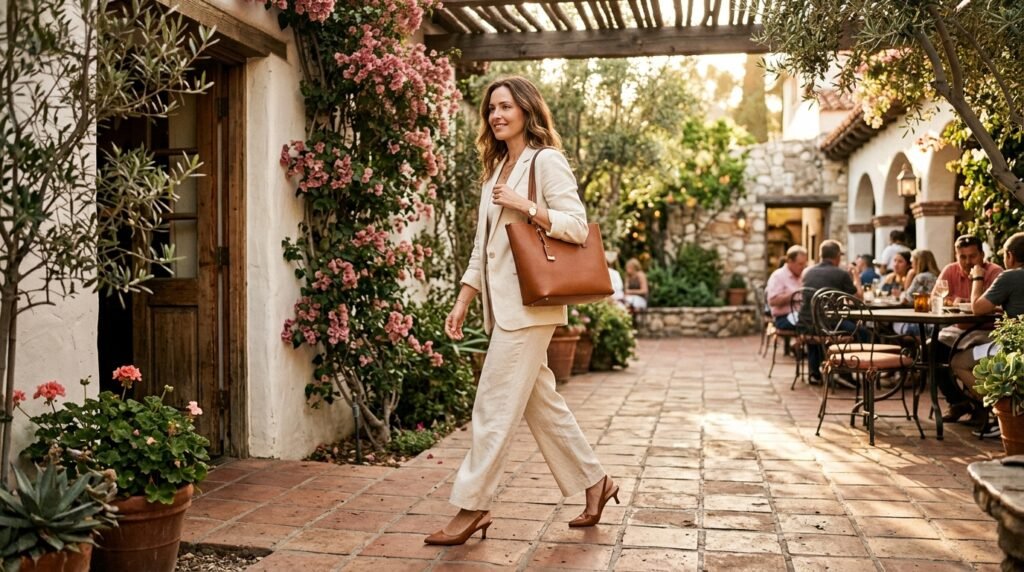
Summer interviews present the opposite problem: how do you maintain a professional interview outfit when it is 95 degrees outside with high humidity? The secret lies in your fabric choices.
- The Fabrics: Seek out lightweight, breathable fabrics like cotton, linen-blends (ensure they are pressed and don’t wrinkle easily), or tropical-weight wool.
- The Layers: Wear a sleeveless shell top made of silk or a high-quality synthetic under your blazer. This allows you to stay cool on the commute, but you keep the blazer on during the interview.
- The Shoes: Even in a heatwave, sandals and flip-flops are strictly forbidden. Stick to closed-toe pumps, loafers, or slingbacks if the office is slightly more casual.
14. The “No-Distraction” Rule for Bags and Accessories
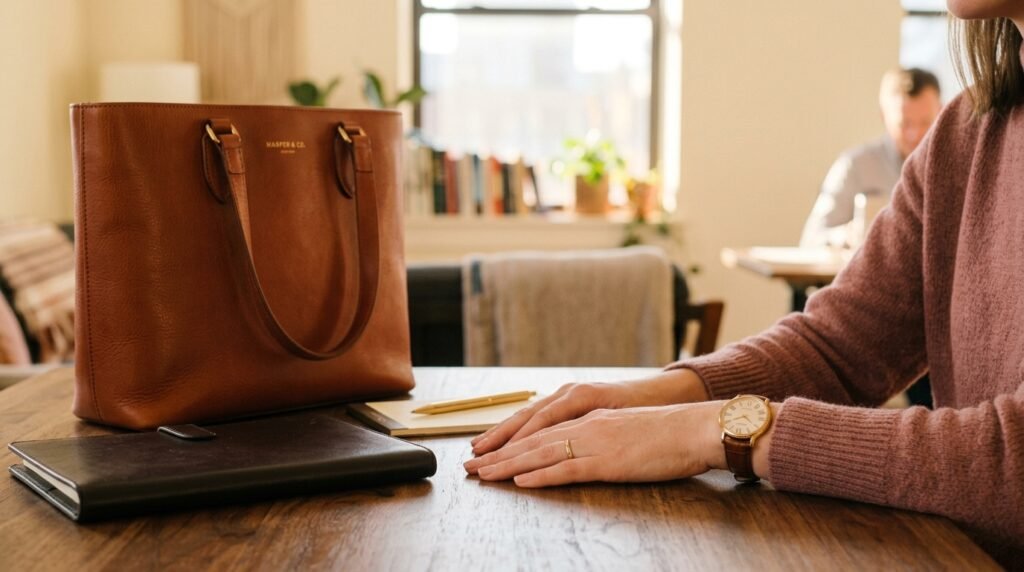
Your accessories should complement your outfit, not distract from your conversation. When you are thinking about what shoes to wear to a job interview, apply the same logic to your bag and jewelry.
- The Bag: Carry a structured tote bag or a sleek briefcase that is large enough to hold copies of your resume, a notebook, and a pen without bulging. A floppy hobo bag or a tiny evening clutch looks out of place.
- The Jewelry: Stick to the classics. A simple necklace, stud earrings, and a watch. Avoid stacked bracelets that clank against the desk when you move your hands.
- Fragrance: Skip the perfume entirely. You never know if your interviewer has allergies or an aversion to strong scents.
15. FAQ: People Also Ask About Interview Outfits
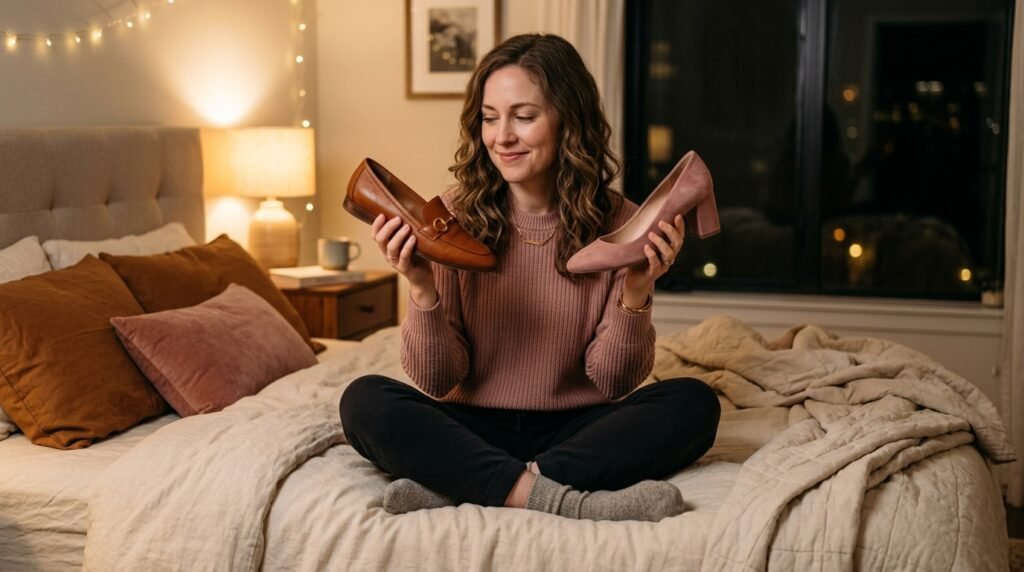
What shoes should I wear to a job interview?
Closed-toe shoes in a neutral color — black, nude, or brown — are the safest choice. Classic pumps, loafers, or simple flats all work well, depending on the formality of the company and role.
Can I wear boots to an interview?
Yes, as long as they’re simple and polished — ankle boots or knee-high boots in black or brown leather can work for business casual interviews. Avoid boots with heavy hardware, distressed finishes, or overly casual styling like combat boots for more traditional or corporate roles.
Can you wear sneakers to an interview?
For creative, tech, or startup companies, clean minimal sneakers can be appropriate, especially if paired with tailored clothing. For traditional corporate interviews, dress shoes or heels are the safer choice unless you know the company’s dress code is casual.
What shoes should women wear to a job interview?
Closed-toe heels, flats, or simple loafers in neutral tones are standard choices. Comfort matters too — choose a heel height you can walk and stand confidently in for the full interview.
Do interview shoes need to match my outfit exactly?
Not exactly — but they should coordinate. Neutral shoe colors like black, nude, or brown work with most interview outfits without needing an exact match.
Is it okay to wear flats to a job interview?
Yes, simple flats or loafers are appropriate for most interviews, especially in business casual environments. They’re a practical, comfortable alternative to heels while still looking polished.
Stepping Into Your Interview with Confidence
At the end of the day, the best job interview outfit is the one you don’t have to think about once you walk through the lobby doors. When your clothes fit beautifully, your shoes are comfortable and polished, and your overall look respects the company culture, you free up all your mental energy to nail the actual questions. Take a deep breath, give your shoes one last wipe-down, and go get that offer.

Emily started HeelToStyle after one too many pairs of boots sat unworn in her closet simply because she couldn’t figure out what to wear them with. What began as personal outfit notes turned into a full site dedicated to practical, wearable shoe styling. She leads content direction and writes most of the site’s occasion-based outfit guides.