
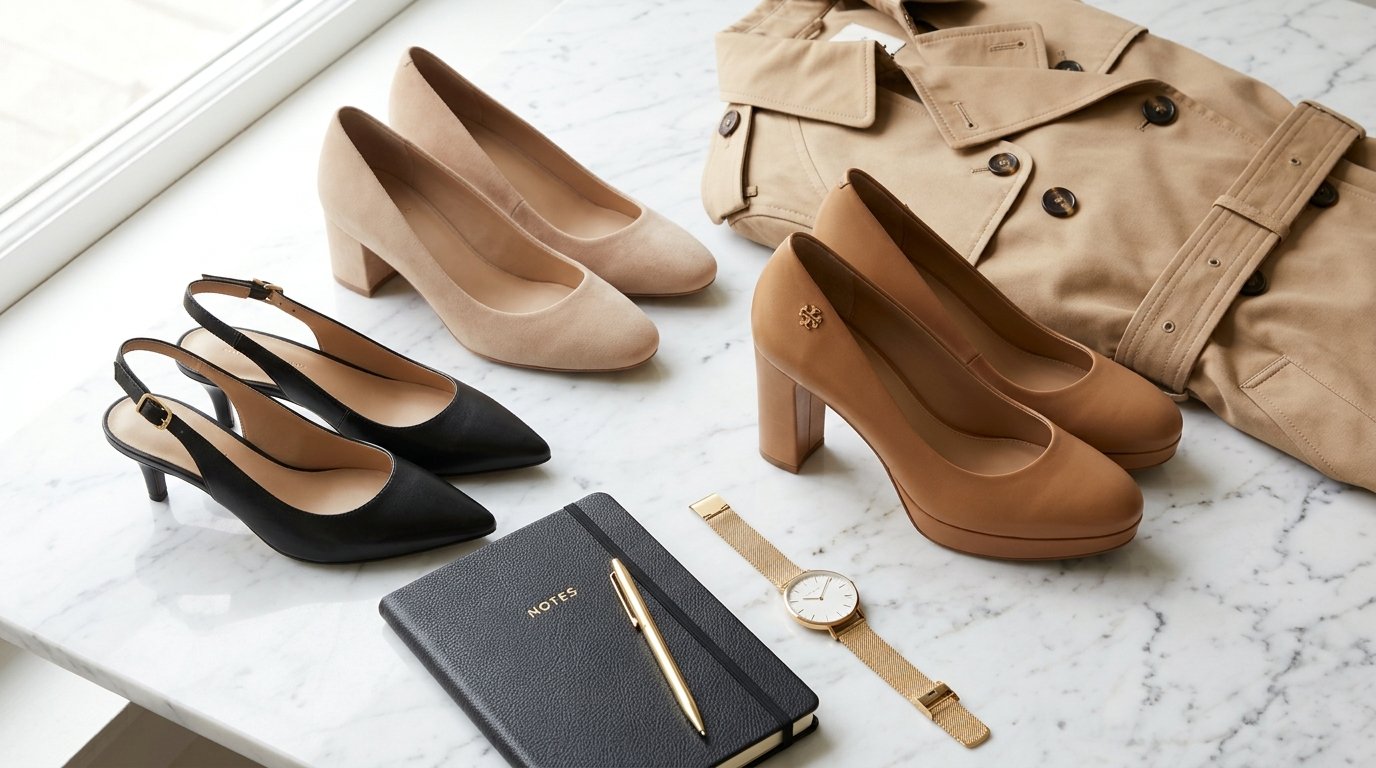
Finding the perfect pair of professional heels should not mean sacrificing your physical well-being. Welcome to the ultimate comfortable pumps guide, where we break down the biomechanics of footwear to determine which pump style is actually the most comfortable for all-day wear. For decades, women have compromised between towering, painful stilettos and uninspired orthopedics. Today, modern footwear engineering has bridged that gap.
Understanding how a shoe distributes your body weight, supports your arch, and cradles your metatarsals is the secret to wearing heels for eight hours without pain. Whether you are navigating a corporate office, attending a marathon wedding, or standing at a networking event, the right pump silhouette changes everything. Below, we rank and analyze the most walkable pump styles, decode heel pitch, and reveal exactly what to look for before making your next footwear investment.
The Biomechanics of Comfort: What Makes a Pump Walkable?
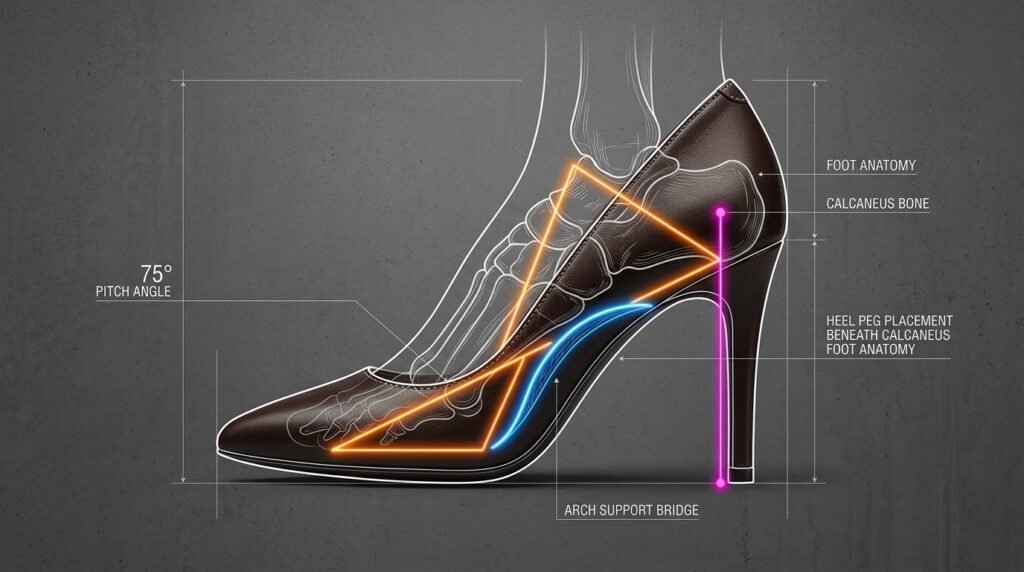
Before comparing specific styles, it is crucial to understand the three structural pillars that dictate shoe comfort. A pump’s walkability is rarely about raw heel height; it is about how the shoe is engineered to handle gravity and friction.
- Heel Pitch (The Incline): The pitch is the angle between the heel and the ball of the foot. A steep pitch forces up to 75% of your body weight onto your delicate forefoot bones. A gentler slope distributes weight back toward your heel bone.
- The Balance Point: A well-designed pump places the heel peg directly under the center of your heel bone (calcaneus), not at the very back of the shoe. This provides a stable, columnar base.
- Toe Box Volume: Pointed toes look chic, but if the toe box is cut too shallow, it crushes your toes downward. A comfortable pump features a deep toe box that allows your toes to lie flat without overlapping.
Block Heel Pumps: The Champion of All-Day Stability

When it comes to the most comfortable pump style for the office or standing all day, the block heel pump is the undisputed champion. By widening the surface area of the heel, a block pump distributes your body weight over a larger footprint, drastically reducing the concentrated pressure on your heel and forefoot.
Block heels also eliminate the ankle-wobble associated with thin stilettos. This structural stability prevents the micro-spasms in your calf and ankle muscles that typically cause leg fatigue by 2:00 PM.
- Best Heel Height: 1.5 to 2.5 inches provides the perfect balance of elevation and ergonomic safety.
- Ideal Wearer: Teachers, event planners, corporate executives, and anyone navigating city pavements or subway grates.
- Styling Match: Tailored wide-leg trousers, pleated midi skirts, and cropped kick-flare denim.
Kitten Heel Pumps: Low-Profile Elegance
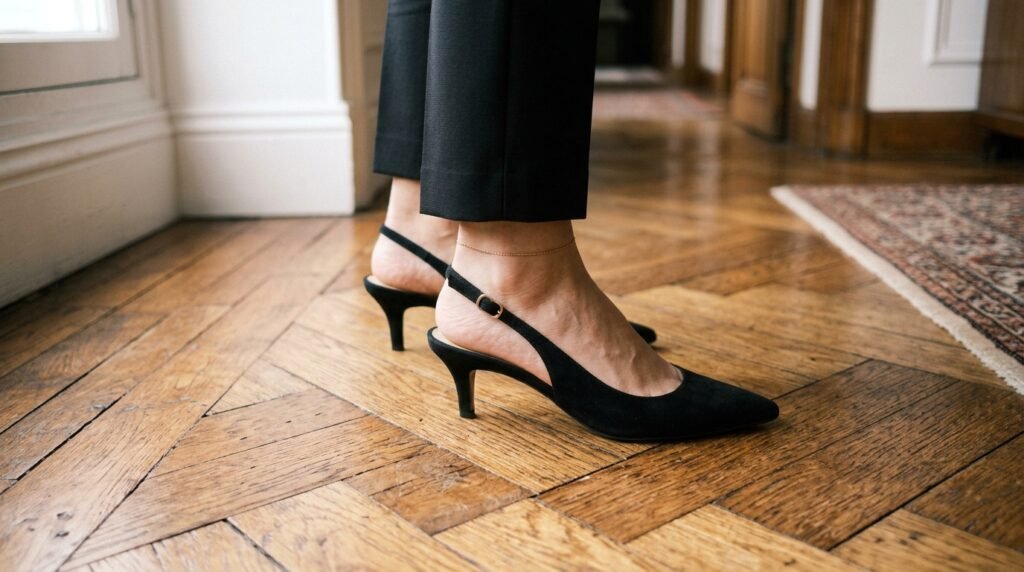
The kitten heel pump (typically ranging from 1 to 1.75 inches) offers the delicate, feminine aesthetic of a stiletto without the agonizing incline. Because the heel is so low, the foot remains in a near-natural anatomical position, saving your Achilles tendon from chronic shortening.
Kitten heels have seen a massive high-fashion resurgence, characterized by architectural spool heels, sharp pointed toes, and slingback straps. They are the ultimate “quiet luxury” shoe for those who refuse to wear flats but cannot tolerate a 3-inch drop.
- The Slingback Advantage: Many kitten pumps feature a slingback strap. This allows for slight heel expansion throughout the day as feet naturally swell, preventing blisters.
- Ideal Wearer: Office workers transitioning to evening dinners, and those recovering from plantar fasciitis who need a slight heel lift.
- Styling Match: Ankle-grazing cigarette pants, bias-cut silk slip skirts, and relaxed straight-leg jeans.
Platform Pumps: The Hidden Incline Hack
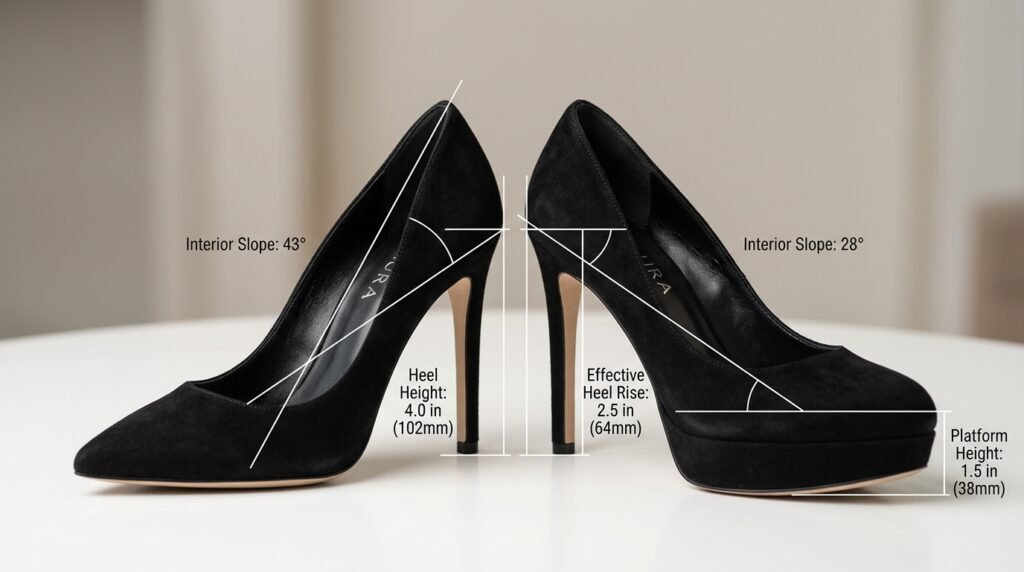
If you want the visual impact of a 4-inch heel but the comfort of a 2.5-inch heel, the platform pump is your mechanical loophole. By adding a 1-inch or 1.5-inch platform under the forefoot, the net incline (the pitch) is significantly reduced.
Additionally, the thick platform sole acts as a heavy-duty shock absorber. It places a solid block of material between the ball of your foot and the hard concrete, preventing the burning sensation known as metatarsalgia.
- Hidden vs. Exposed: Hidden platforms offer a sleek, traditional corporate look, while exposed platforms lean heavily into retro 1970s and bold evening aesthetics.
- Ideal Wearer: Wedding guests, gala attendees, and anyone who wants maximum height with minimal foot arch strain.
- Styling Match: Floor-sweeping wide-leg trousers, formal evening gowns, and opaque winter tights.
The Classic Stiletto: Can It Ever Be Comfortable?
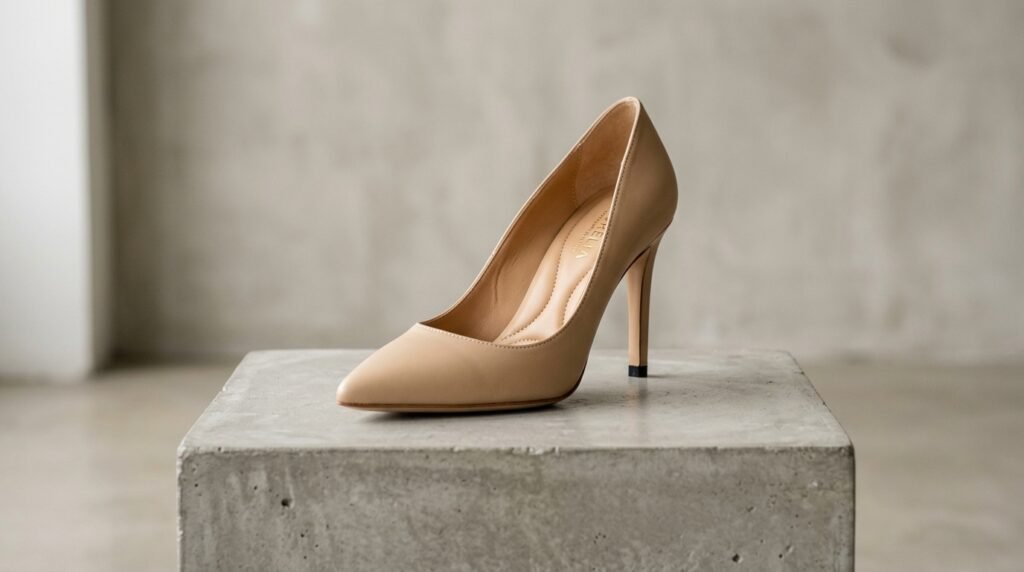
The traditional single-sole stiletto is inherently the least comfortable pump style due to its pinpoint base and steep pitch. However, if dress codes or personal style demand a stiletto, you can mitigate the pain by shopping for specific architectural features.
Look for stilettos with a “set-back” or centered heel peg that aligns directly with your leg bone. Furthermore, prioritize shoes crafted from supple, unlined kidskin or buttery suede, which will mold to your foot’s shape rather than restricting it like stiff patent leather.
- The Comfort Limit: Keep single-sole stilettos at or below 85mm (approx. 3.3 inches). Anything higher locks the ankle joint and destroys a natural walking gait.
- Padding is Non-Negotiable: If you must wear stilettos, ensure the brand utilizes high-density memory foam or insert a medical-grade silicone metatarsal pad.
Toe Shapes Ranked by Comfort
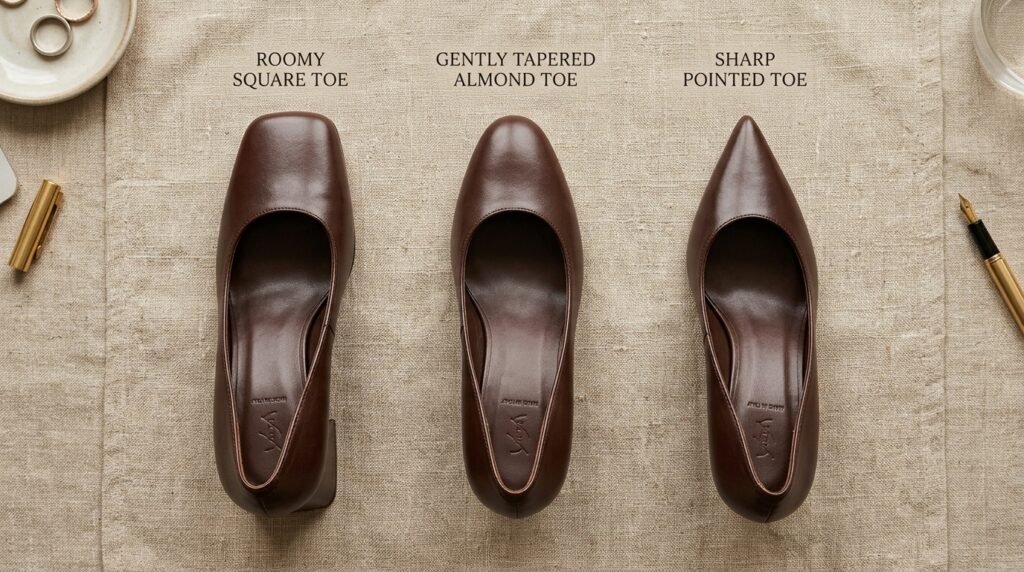
The shape of the toe box plays a massive role in how a pump feels after three hours of wear.
| Toe Shape | Comfort Rating | Fit Characteristics | Best Foot Type |
| Almond Toe | 9 / 10 | Gently rounds to follow the natural curve of the toes; prevents pinching. | Wide feet, bunions, high insteps |
| Square Toe | 8.5 / 10 | Provides a wide, roomy footbed for toes to splay naturally. | Roman foot shapes, wide forefeet |
| Pointed Toe | 5 / 10 | Narrows sharply, forcing toes into a triangular point; creates pressure. | Narrow feet, tapered toes |
How to Test a Pump for Comfort Before Buying
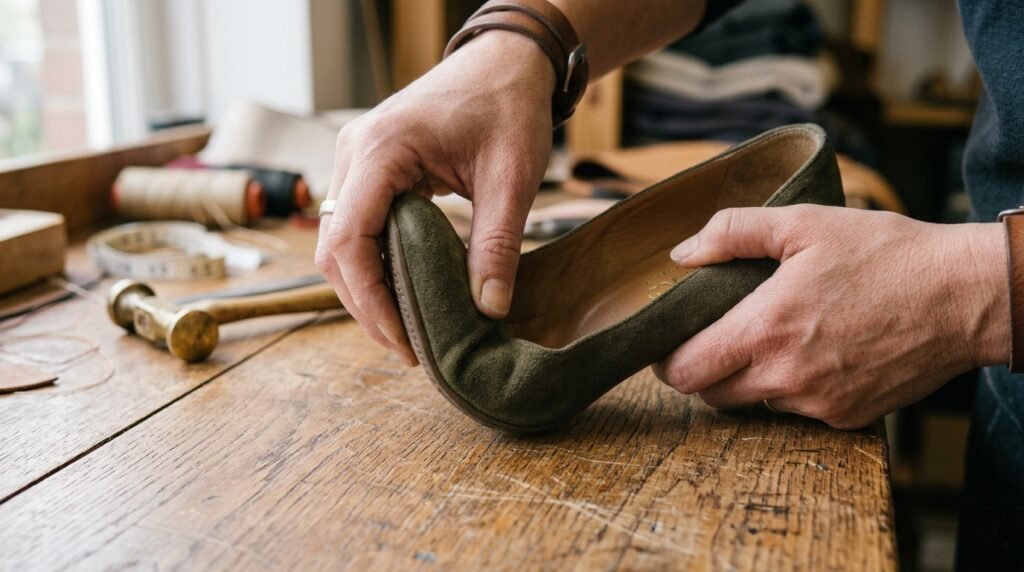
Do not rely solely on walking on a plush department store carpet to judge a shoe’s walkability. Use these three rapid tests before making a purchase:
- The Table Wobble Test: Place the empty pump on a flat, hard surface and gently tap the side of the heel. If the shoe wobbles back and forth, the balance shank is misaligned. If it stays perfectly still, it will support your weight properly.
- The Toe-Bend Test: Gently flex the toe box upward. A comfortable pump should bend slightly at the ball of the foot (where your foot naturally hinges) but remain rigidly supportive through the arch.
- The Pinch Test: Squeeze the heel counter (the back of the shoe). It should be stiff and structured to hold your heel in place, but the top collar edge should feel soft to prevent Achilles blisters.
Frequently Asked Questions
Which pump style is the most comfortable?
Kitten-heel and block-heel pumps are generally the most comfortable for all-day wear. Their lower heights and wider heel bases distribute body weight more evenly across the foot, drastically reducing pressure on the ball of the foot compared to a thin stiletto.
What heel height is realistic for walking all day?
Heel heights ranging from 1.5 to 2.5 inches (approx. 35mm to 65mm) tend to be the most walkable for extended wear. This height provides a polished lift without forcing the ankle into an unnatural, fatiguing angle.
Are platform pumps more comfortable than regular pumps?
Yes, often they are. The front platform reduces the overall incline (pitch) between the ball of the foot and the heel. This means a 4-inch heel with a 1.5-inch platform feels like you are only walking on a manageable 2.5-inch incline.
Are block heels more comfortable than stilettos?
Absolutely. Block heels provide a much wider surface area that contacts the ground. This eliminates the lateral ankle wobbling common with stilettos and disperses your body weight over a broader space, preventing targeted heel pain.
What should I look for when buying comfortable pumps?
Look for a centered heel peg, a deep toe box that does not crush your toes, and built-in high-density memory foam or leather-lined arch support. Additionally, ensure the shoe is made from a natural, breathable material like calfskin or suede.
Can pointed-toe pumps ever be comfortable?
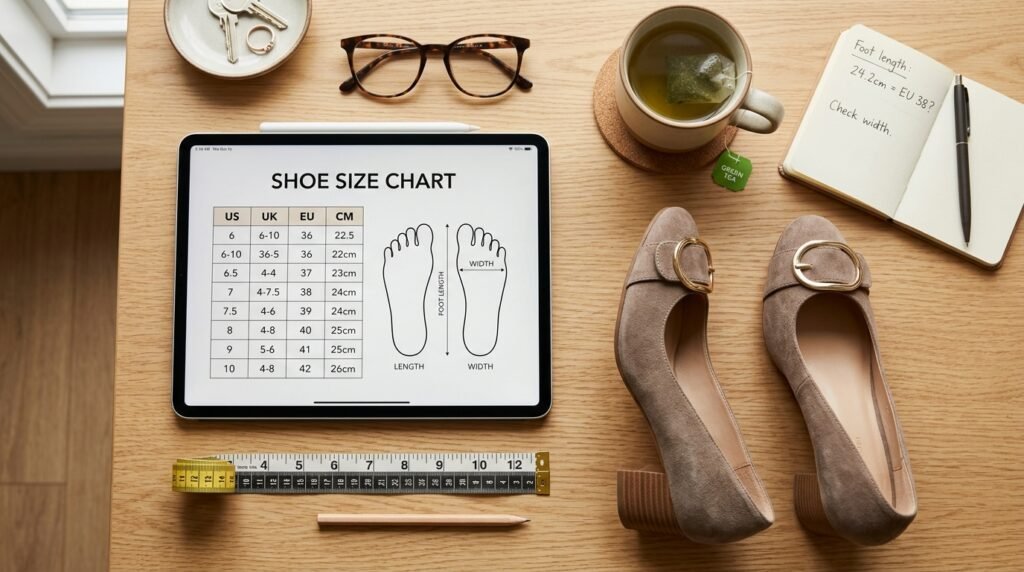
Yes, if you size them correctly. When buying pointed pumps, look for an elongated toe box where the actual point extends past where your toes end. If you have wide feet, sizing up by a half-size allows your foot to rest in the wider part of the shoe.
Conclusion

Mastering your professional and evening wardrobe requires footwear that empowers you rather than holding you back. By prioritizing block heels for stability, kitten heels for low-profile elegance, and platforms to cheat steep inclines, you can build a footwear capsule that is as comfortable as it is chic.

Nathan handles the site’s dressier content and its more practical side — from wedding-guest shoe pairings to keeping your favorite pair looking new for longer. He believes good style shouldn’t mean uncomfortable shoes, and most of his posts reflect that balance between looking good and actually being able to walk in it.