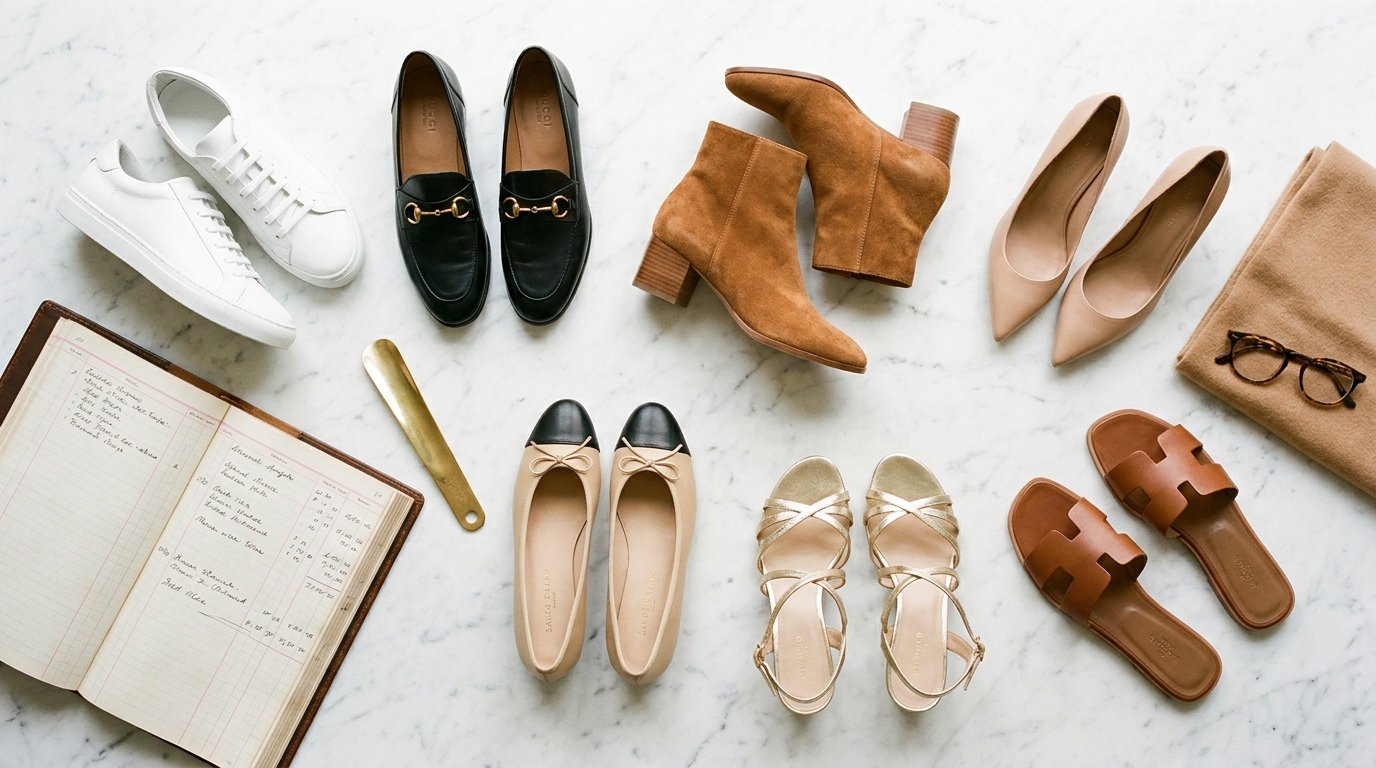
Curating your capsule shoe wardrobe essentials requires a fundamental mindset shift: deciding what to own is easy, but identifying what is genuinely worth investing in is where most shoppers fail. Fast fashion encourages cycling through endless pairs of disposable flats, stiff synthetic heels, and glued sneakers that degrade after a single season. The result is an overcrowded closet, chronic foot fatigue, and high recurring expenses.
A buy-smart footwear strategy evaluates every pair through the lens of cost-per-wear, biomechanical support, and construction quality (such as stitched soles versus cheap glue). You do not need to spend top dollar on every category. Certain daily workhorses demand high-grade full-grain leather and resolable outsoles, while other occasional silhouettes perform well at accessible price points. Below is the definitive buy-smart guide to the 7 timeless shoe essentials, analyzing where to invest your budget and where you can safely save.
Why “Worth Owning” Differs from “What to Own”: The Cost-Per-Wear Equation
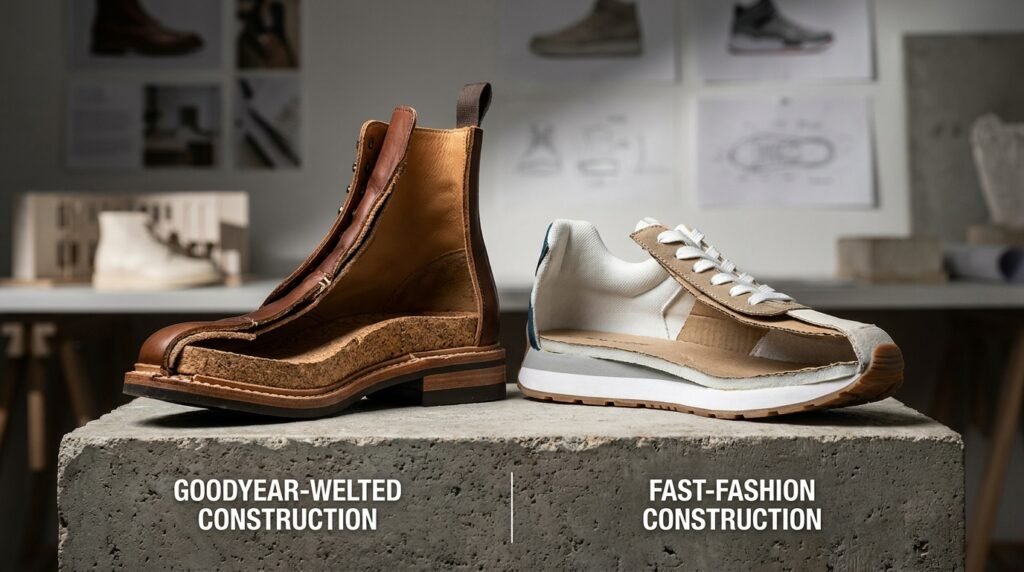
Standard capsule checklists tell you what silhouettes look classic in a photograph, but they rarely evaluate how footwear withstands repetitive mechanical stress. Deciding whether a shoe is “worth owning” comes down to materials, repairability, and physical longevity.
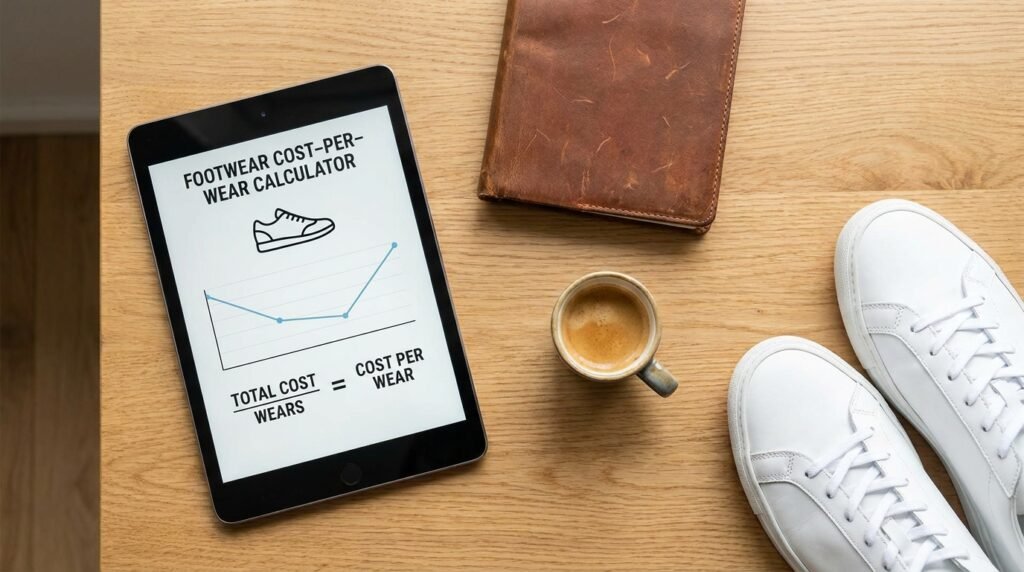
- The True Math of Cost-Per-Wear (CPW): A $280 pair of Blake-stitched calfskin loafers worn 150 days a year for four years costs roughly $0.46 per wear. A $45 synthetic faux-leather loafer that blisters your heel, cracks across the vamp, and is discarded after 25 wears costs $1.80 per wear.
- Sole Architecture & Resolability: Glued cement outsoles end up in a landfill once worn down. Welted or stitched outsoles can be re-soled by a cobbler multiple times, extending the shoe’s life past a decade.
- Musculoskeletal Preservation: Feet carry your entire kinetic chain. Investing in pairs with proper torsional rigidity, medial arch support, and heel cups protects your ankles, knees, and lower back from chronic strain.
1. White Leather Sneakers: The Non-Negotiable Investment
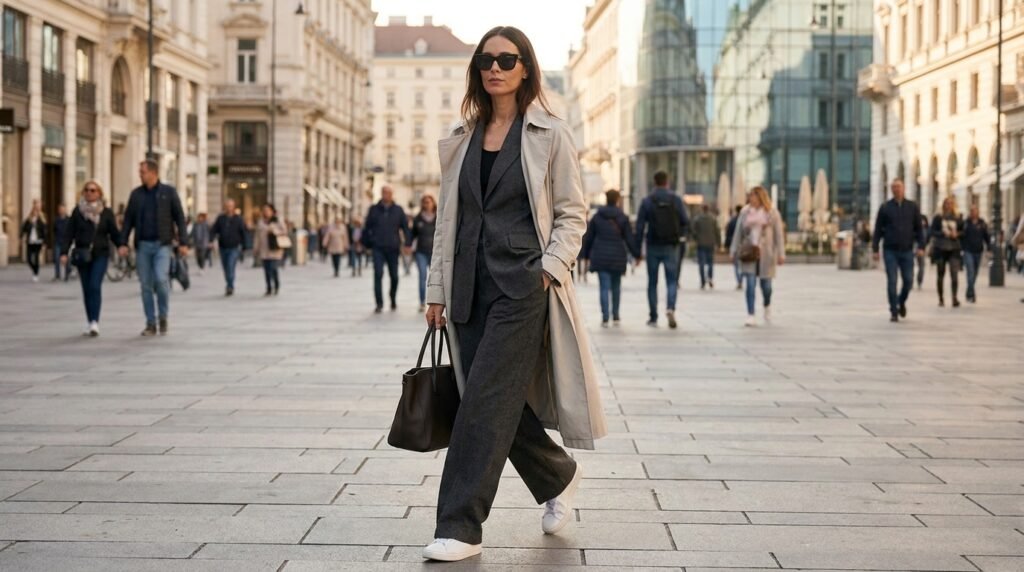
A clean, low-profile white calfskin court sneaker is the hardest-working shoe in modern fashion. It anchors casual denim, balances formal tailoring, and logs thousands of steps across busy commutes and weekend travel.
Because white sneakers absorb continuous pavement friction and foot perspiration, cheap polyurethane (PU) versions rapidly crease, trap heat, and peel at the toe flex point.
- The Verdict: INVEST.
- What to Look For: Full-grain Italian calfskin uppers, stitched Margom-style rubber cupsoles (not glued foam), and removable leather-lined footbeds.
- Price Benchmark: $130 – $250.
- Why It’s Worth It: High-grade leather wipes clean easily with a damp cloth, breaks in rather than breaking down, and withstands hundreds of miles without structural collapse.
2. Classic Leather Loafers: Invest or Budget?
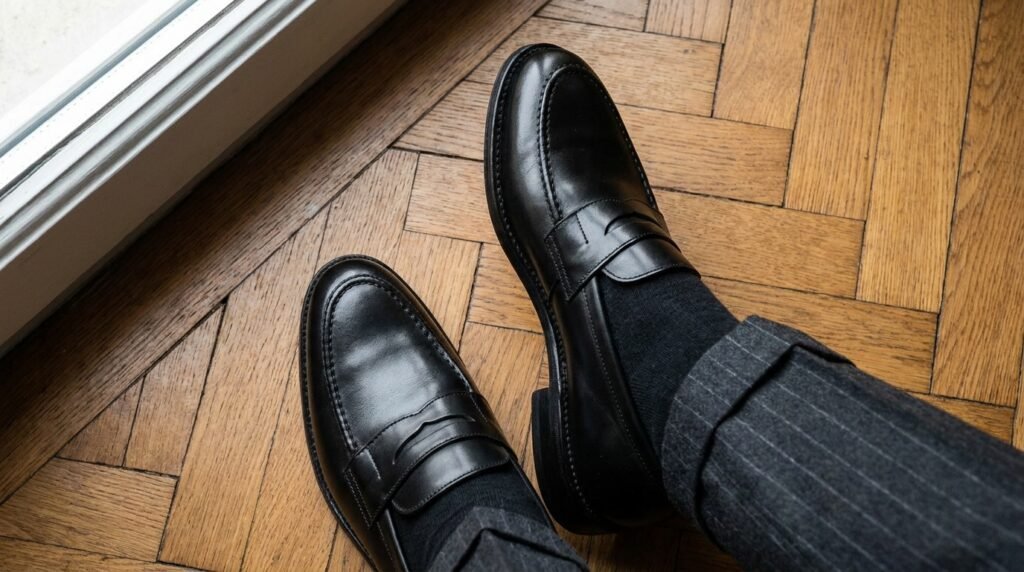
Loafers represent the foundation of smart-casual dressing, office suiting, and collegiate-inspired tailoring. A structured leather loafer cradles your foot through eight-hour workdays without the instability of a raised heel.
A poorly constructed loafer features stiff, bonded leather and a rigid synthetic sole that acts like cardboard, leading to painful heel counter blisters and Achilles irritation.
- The Verdict: INVEST.
- What to Look For: Supple box calfskin or unlined suede, Blake-stitch or Goodyear-welt construction, and a reinforced calcaneal heel counter with a subtle rubber injection pad on the leather sole.
- Price Benchmark: $150 – $300.
- Why It’s Worth It: A welted leather loafer molds directly to your foot’s unique anatomical footprint over time, becoming more comfortable with every wear while remaining resolable for years.
3. Ballet Flats: Invest or Budget?
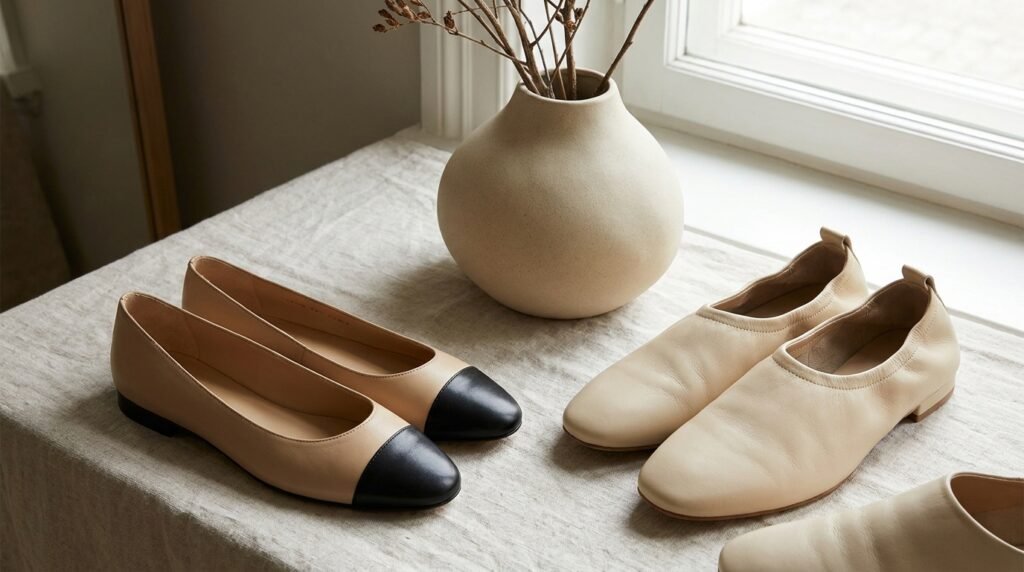
Ballet flats and glove shoes have reclaimed their status as everyday staples, delivering understated French-girl elegance to cropped cigarette pants and slip dresses.
However, traditional ballet flats are structurally minimal. Because they feature very thin soles and little internal shank support, spending luxury-tier money does not always yield proportional increases in durability.
- The Verdict: BUDGET / MID-TIER.
- What to Look For: Soft nappa lambskin or flexible recycled knit uppers, but ensure the brand includes a hidden 5mm to 10mm interior micro-wedge or cushioned memory-foam arch bed.
- Price Benchmark: $60 – $130.
- Why You Can Save: Unless you are buying artisanal, hand-lasted glove shoes, mid-tier direct-to-consumer brands provide comparable leather quality and better modern arch cushioning than fragile $700 designer equivalents.
4. Classic Pumps (70mm–85mm): Invest or Budget?
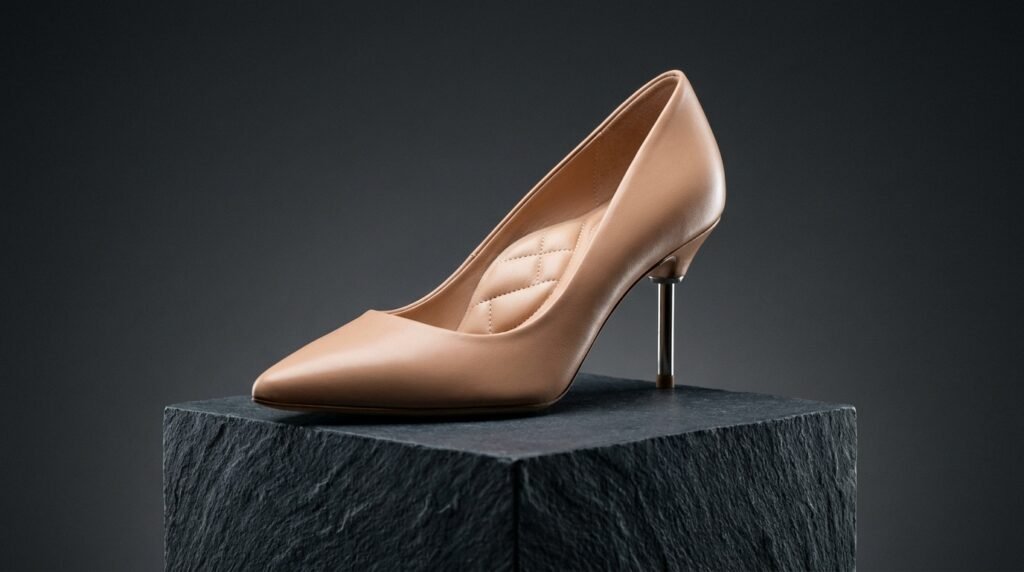
Whether opting for a timeless pointed stiletto or a modern block heel, classic black or nude pumps serve as your primary formal anchor for weddings, galas, and executive presentations.
The primary issue with cheap high heels is poor weight distribution. An improperly balanced heel peg shifts your body weight forward onto the delicate metatarsal bones, causing burning foot pain within an hour.
- The Verdict: INVEST (In Ergonomics, Not Designer Logos).
- What to Look For: Centered heel pegs positioned directly under the calcaneus (heel bone), high-density silicone or Poron forefoot padding, and a stable 70mm to 85mm pitch.
- Price Benchmark: $140 – $280.
- Why It’s Worth It: You are paying for biomechanical engineering. A thoughtfully balanced, mid-priced ergonomic pump allows you to stand comfortably for hours, whereas bargain fast-fashion heels cause immediate foot pain.
5. Strappy Evening Sandals: Invest or Budget?
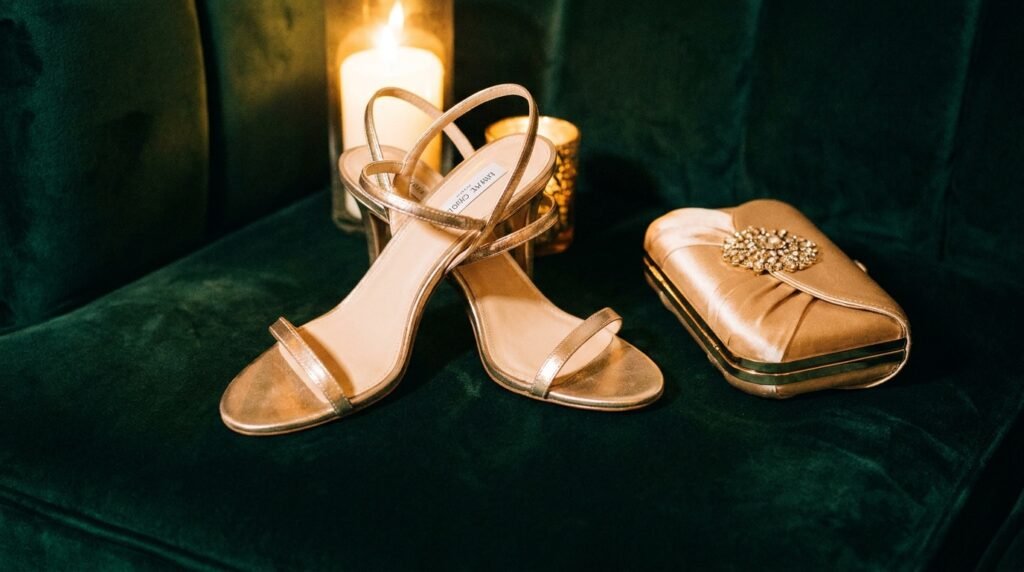
A delicate two-strap heeled sandal in metallic gold, silver, or black leather is an essential companion for cocktail events, summer weddings, and evening dining.
By design, minimalist strappy sandals consist of very little surface material: two thin leather bands, a slender ankle strap, and a slim sole.
- The Verdict: BUDGET.
- What to Look For: Soft leather straps that do not cut into toe joints, a secure ankle buckle, and non-slip rubber outsoles.
- Price Benchmark: $50 – $110.
- Why You Can Save: Because these shoes are worn for focused evening hours rather than high-mileage daily commutes, they experience less mechanical wear. High-street brands execute this silhouette well using genuine leather uppers at accessible prices.
6. Minimalist Flat Slides: Invest or Budget?
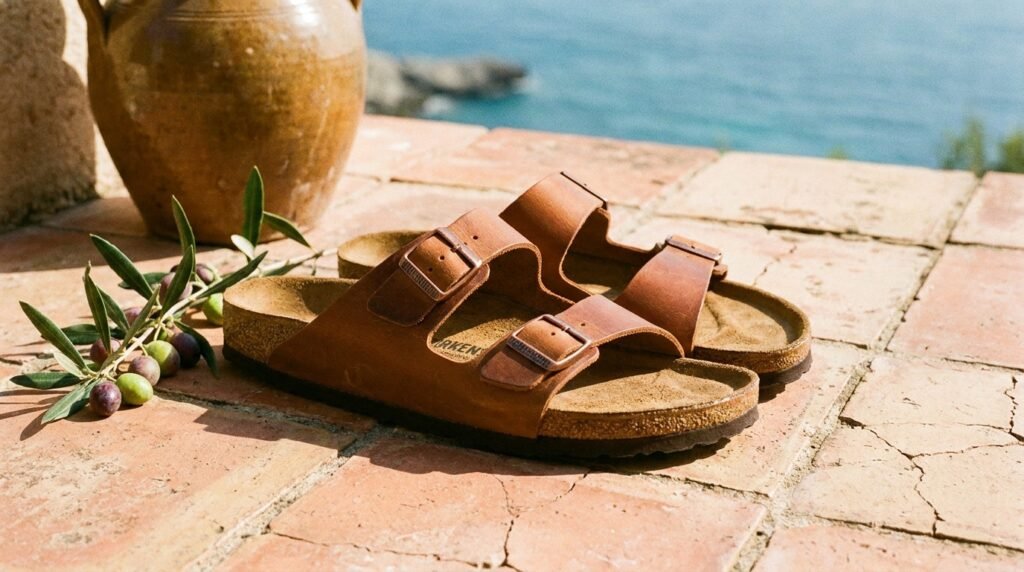
Flat leather slide sandals and woven mules serve as warm-weather travel staples, providing breathable comfort for beachside vacations, weekend farmers markets, and casual brunches.
Unsupportive, wafer-thin plastic slides offer zero shock absorption against sun-baked concrete, causing plantar fascia strain during warm summer months.
- The Verdict: MID-TIER.
- What to Look For: Anatomically molded cork-and-latex footbeds or multi-layered cushioned leather insoles with wide leather bands that prevent toe clawing.
- Price Benchmark: $80 – $150.
- Why You Can Save: You do not need luxury fashion house slides. Well-established heritage footwear brands offer orthopedically sound footbeds and full-grain leather straps that outlast designer alternatives at a fraction of the cost.
7. Leather Ankle Boots: The Cold-Weather Investment
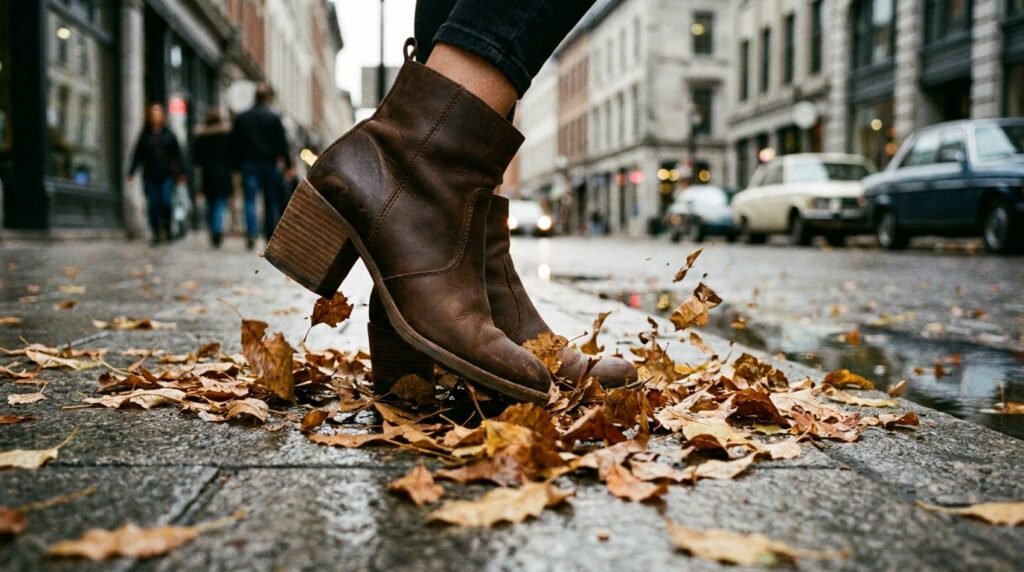
From brisk autumn mornings to freezing winter commutes, a sleek leather or suede ankle boot with a stable 1.5- to 2-inch block heel is the most dependable piece in your cool-weather wardrobe.
Inexpensive boots made of synthetic materials trap perspiration, conduct street cold, and peel when exposed to rain, puddles, or road salt.
- The Verdict: INVEST.
- What to Look For: Weather-treated full-grain calfskin or oiled suede, a sturdy composite or steel shank, a durable rubber lug or storm-welted leather sole, and smooth interior zips.
- Price Benchmark: $160 – $320.
- Why It’s Worth It: High-quality leather boots shield your feet from rain, snow, and rough pavement while elevating cold-weather layering for multiple seasons.
Capsule Investment Matrix: Where to Spend vs. Where to Save
| Essential Shoe Style | Investment Verdict | Target Price Range | Primary Longevity Factor | Key Material to Insist On |
| White Leather Sneakers | INVEST | $130 – $250 | High daily mileage & friction | Full-grain calfskin, stitched cupsole |
| Tailored Leather Loafers | INVEST | $150 – $300 | Resolable leather; molds to foot | Blake-stitched calfskin / suede |
| Ballet / Glove Flats | BUDGET / MID | $60 – $130 | Thin sole construction limits life | Soft nappa leather with foam insole |
| Classic 75mm Pumps | INVEST (Comfort) | $140 – $280 | Biomechanical weight balance | Centered heel peg, silicone arch pad |
| Strappy Evening Sandals | BUDGET | $50 – $110 | Infrequent, low-mileage evening use | Genuine leather straps, rubber grip |
| Flat Walking Slides | MID-TIER | $80 – $150 | Arch preservation during summer | Molded cork/latex or leather footbed |
| Leather Ankle Boots | INVEST | $160 – $320 | Weather resistance & sidewalk salt | Oiled calfskin, storm-welted sole |
Frequently Asked Questions
Which shoes are worth investing in for a capsule wardrobe?
The shoes most worth investing in are your high-frequency daily workhorses: minimalist white leather sneakers, tailored leather loafers, and durable leather ankle boots. These styles endure the highest mileage and greatest mechanical stress, making high-grade leather and resolable outsoles essential.
What shoes should be in a capsule wardrobe?
A well-rounded shoe capsule contains seven core styles: white leather sneakers, tailored loafers, comfortable ballet flats, classic neutral pumps, strappy evening sandals, flat leather slide sandals, and weather-resistant leather ankle boots. Together, they cover casual, professional, and formal dress codes across all four seasons.
How many pairs of shoes do you actually need?
Most women only need between five and eight well-chosen pairs to cover every seasonal and social scenario. Prioritizing versatile neutrals (black, nude, cognac, white) eliminates wardrobe clutter while ensuring you always have appropriate, comfortable footwear.
Are designer shoes worth the investment?
Often, no. Many high-fashion luxury shoes charge a significant markup for brand names while relying on thin, delicate soles and unpadded footbeds that cannot handle daily walking. Mid-tier heritage shoemakers and ergonomic brands priced between $150 and $300 frequently offer superior leather quality, better arch support, and longer real-world lifespans.
Are leather sneakers more versatile than canvas sneakers?
Yes. Full-grain leather sneakers are far more versatile because their smooth, structured surface mimics traditional dress shoes. Leather pairs seamlessly with tailored trousers, blazers, and slip dresses, whereas canvas shoes lean noticeably casual and sporty.
What is the most timeless sneaker style to buy?
A low-profile white calfskin court sneaker with minimal exterior branding, tonal stitching, and a stitched rubber cupsole is the most timeless style. It has remained a fashion staple for over five decades and easily integrates into both casual and smart-casual wardrobes.
Conclusion
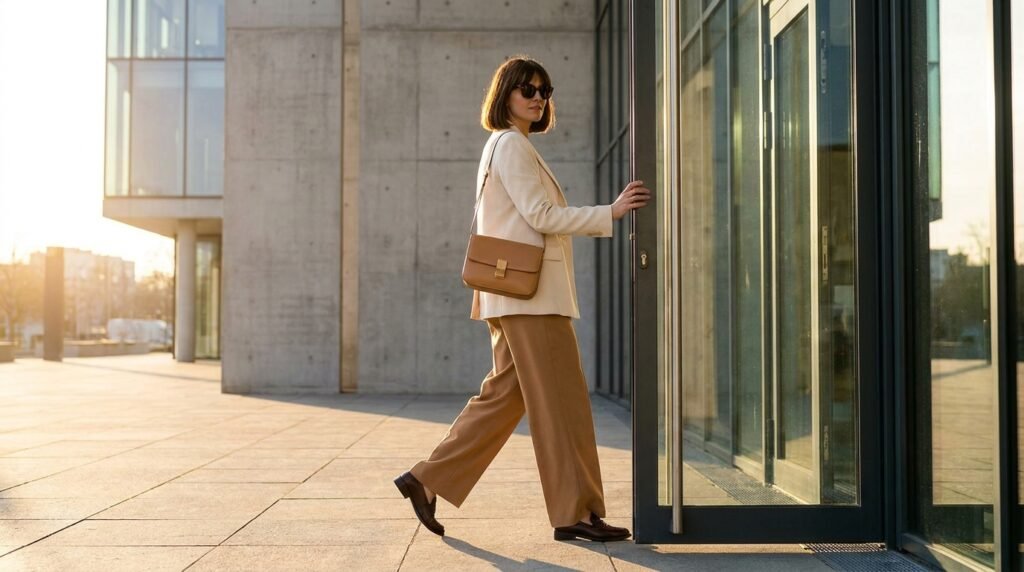
Building a functional, long-lasting footwear collection is not about spending top dollar on every pair—it is about knowing where quality construction matters most. By investing in durable white leather sneakers, resolable loafers, and sturdy leather boots, while keeping seasonal sandals and ballet flats at budget-friendly price points, you achieve a stylish, dependable wardrobe that respects your budget.

Nathan handles the site’s dressier content and its more practical side — from wedding-guest shoe pairings to keeping your favorite pair looking new for longer. He believes good style shouldn’t mean uncomfortable shoes, and most of his posts reflect that balance between looking good and actually being able to walk in it.